There is SO much to learn regarding pregnancy and taking care of a baby! This was a world that was completely new to us and we wanted to make sure we were as prepared as possible. Jerry and I had planned to take an antenatal course at our hospital (Matilda), but they were all cancelled due to the pandemic. Luckily, many awesome organizations and companies decided to offer their courses for free, because they knew it was difficult for people to get out and attend classes during the pandemic! Jerry and I are major nerds, so we took a number of different classes and also ordered a bunch of books to read about pregnancy, prenatal information, and parenting. I wanted to create a list here to share some of our thoughts on all the resources that we tapped into. I will be updating this list as we go, because we plan to keep reading and learning after the baby comes!
Courses
Online courses
- Motherly’s “Becoming Mama” Birth Course: We absolutely loved this course! It is super informative and also positive and empowering. It recognizes how difficult and intense child birth can be and then provides you with lots of practical information, such as movements during labor that can help you get the baby in the optimal position, things you can do to alleviate any discomfort, and how to handle medical interventions. I found this course to be more informative and realistic than the Positive Birth Company Course (will review next), because it doesn’t gloss over how big of an event giving birth is, but instead gives you the tools to make the experience smoother. The course also reminds mothers how strong and capable they are. This course is offered for free during the pandemic! The presenter has a certain style that can take a tiny bit to get used to, but overall she is pleasant and each session is concise and helpful.
- The Positive Birth Company: This course came highly recommended by lots of mamas to be! I really appreciated its refreshing approach to giving birth, which was very empowering and positive. At the same time, I found some bits a little hard to believe (for instance, giving birth is not painful and you can “breathe” the baby down instead of having to push). I did like how the entire approach is to view birth as an empowering experience and not something for women to fear or dread. I think that oftentimes in society we only hear about the horrific and traumatizing birth stories and we forget about the powerful and positive birth experiences. This course provides some hypnobirthing techniques (such as breathing routines), but mostly it is about how to change your mindset towards birth. It also provides tactics to assess whether a medical intervention is right for you and it reminds women that we have a right to question a doctor’s recommendation. The presenter is a a super supporter of home births, so that can sometimes feel a bit unrealistic as well (for those of us in Hong Kong). Overall, we were happy to take this course for its positive message, but felt that some parts were a bit repetitive and the course could be a bit more concise. I would highly recommend this course if you are nervous about giving birth, since it did make me feel more confident and understand that my body was perfectly designed to deliver our baby. This course was not free.
- Tinyhood’s Breastfeeding 101: This is an excellent course on breastfeeding by an international board certified lactation consultant. The videos are super easy to watch and have informative picture slides and videos throughout. The course also comes with lots of useful infographics that you can save or print out for easy access later (such as massage tips for engorgement and how many diapers to look out for). I learnt a lot from this course and the presenter is also very supportive and encouraging. Breastfeeding definitely seems A LOT harder than I expected, so I was really glad to have gone through this course. This course is not free at the moment, but I was able to sign up for it for free during a special pandemic sale.
In person course
Even though many in person courses were cancelled, we were lucky to be able to catch a pediatric first aid course at the end of May when social distancing measures were eased a little.
- Family Zone Pediatric First Aid and CPR: This course was also highly recommended by many mamas to be in my WhatsApp chat group. I was happy to see that the lady who runs the program worked at the Matilda Hospital for decades and was in charge of running the programs there before starting her own company. I used to be an EMT back in college and was really glad that I took this course, because I realized a few things have changed since then! Yvonne (the course director) was very good at demonstrating the skills along with providing lots of personal anecdotes and stories to keep things interesting during a 3.5 hour class. Yvonne’s company, The Family Zone, offers many other services, such as postnatal visits and first-aid courses for helpers. It was a really useful and informative course and I think every parent should take it. It is a bit scary to hear all the stories and freak accidents that can happen, but you leave the course feeling a bit comforted that you have the skills to deal with these types of accidents if they were to occur.
Books
We got a number of different books and divided them up amongst us. Some books were read by both of us and some by just one of us. Jerry has provided some guest reviews/summaries below! Jerry also has a blog that has more in-depth reviews of each book (and many other books) so please go check it out!
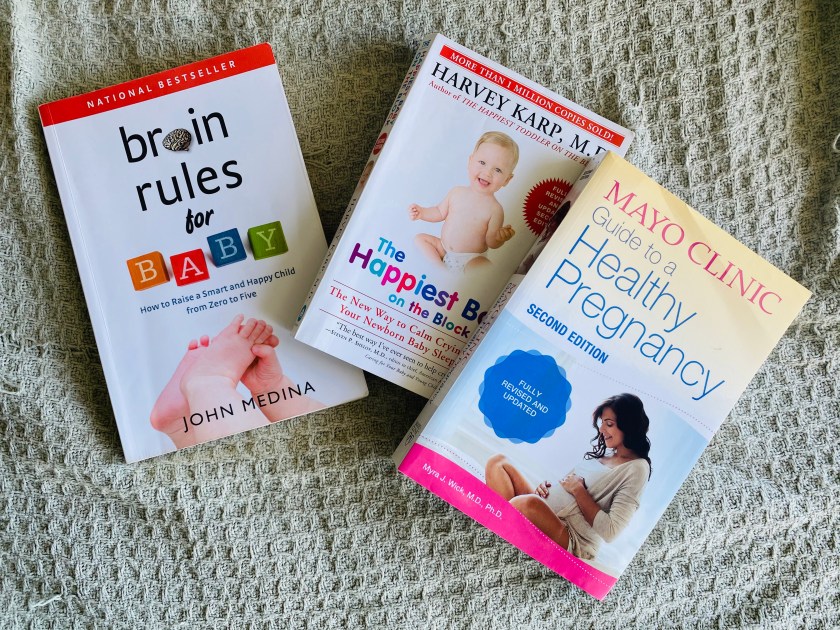
- Harvey Karp’s Happiest Baby on the Block: This book gives an in-depth look into what causes colic in babies. It provides interesting evidence from an anthropological and evolutionary standpoint to allow parents to understand why babies act a certain way. Most importantly, it provides parents with a set of skills to handle a baby who cries for hours on end. Reading the testimonials from parents who had babies who shrieked and cried nonstop was a little intimidating, but we both felt much more confident and ready after reading this book because we felt like we had a better understanding of why such behavior occurs and what to do when it does.
- Mayo Clinic’s Guide to a Healthy Pregnancy: Mayo Clinic is a reputable and highly respected US based medical center and this book is a great resource to have (we also ordered the Mayo Clinic First Year but it is stuck via Amazon for the moment). The book provides detailed and scientifically sound information for each stage of pregnancy.
- Brain Rules for Baby: What does it take to raise a happy, smart kid with a decent moral compass? This book’s answer is simple: help kids lead a healthy and social life. A practical guide to early parenting. The suggestions in this book are simple and easy to incorporate into daily life. For instance, during pregnancy, the best way to help a baby’s brain develop is for the mother to eat well, exercise in moderation and lower stress. (https://jeroen2307.com/2020/05/18/brain-rules-for-baby/)
- Selfish Reasons to Have More Kids: Parenting absorbs ever more time. People wrongly believe that happiness and having (more) kids are incompatible. This book argues that you can cut back on a lot of things without harmful effects on the child. For instance, kids can do with less supervision and you can scrap boring activities that have modest long-term benefits. The book is a helpful reminder that sometimes it’s okay to do a little less, but what should you do more of? You will not find any answers to that question in this book. (https://jeroen2307.com/2020/04/11/selfish-reasons-to-have-more-kids/)
- Prepared: What do you enjoy doing? What are you good at? What is the best way to pursue these interests? If you can answers these questions, you are prepared. You can make better choices about your future. Most schools are not designed to help kids answer these questions. The author of this book is the founder of Summit Public Schools (a network of US charter public schools). This book outlines Summit’s philosophy. It revolves around project-based learning, self-direction (kids make their own choices from a healthy buffet curated by you) and working in teams. These tools create an environment that encourages curiosity. It also allows kids to discover their strengths and likes. They can use their strengths to build productive habits and set meaningful, purposeful goals. This is a great read. (https://jeroen2307.com/2020/03/13/prepared/)
- The Fragile Generation: A well written article about the “kids are over-protected and under-prepared” argument. Its main point is that kids should have plenty of free play. Free play helps kids build social skills, become more resilient, experience failure and make friends. You can explore the Letgrow.org website for more information on this topic. (https://jeroen2307.com/2020/04/06/the-fragile-generation/)
Apps
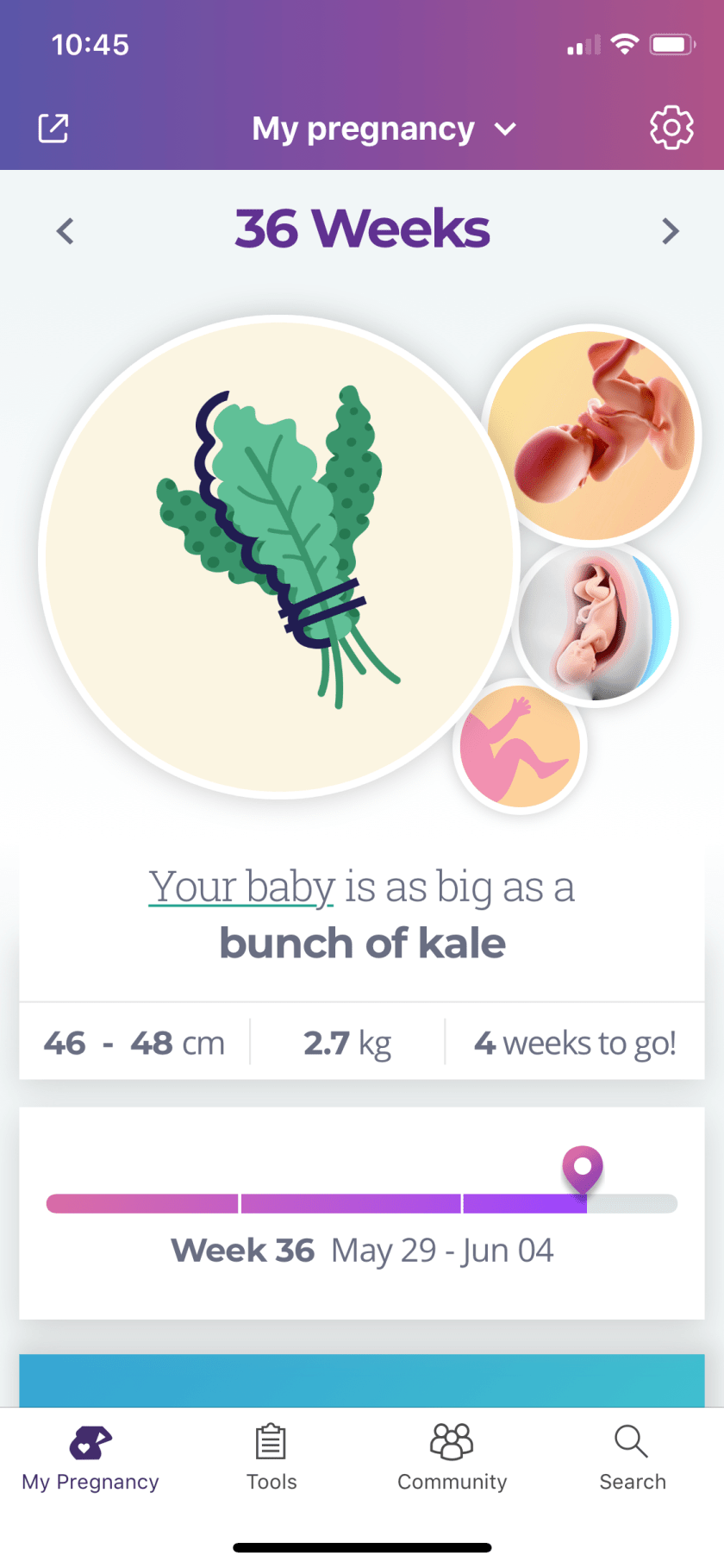
- What to Expect: This is an OG resource for new parents and their app is great! The app is visually appealing and also FULL of interesting and accurate information. There are a lot of informative and fun articles that I found very helpful. Their medical information is backed by peer reviewed medical journals and organizations such as the American Association of Pediatrics and the CDC. We especially love the week by week videos where you get information on the baby’s development and changes in mom’s body. They also provide a fun “your baby is the size of ____” feature that we look forward to every week (right now at 36 weeks my baby is a the size of a bunch of kale).
- Baby Center: We don’t use this app as much but I like the “Bumpie” feature where you can upload a photo of your bump week by week. Even though I don’t use the app that much, Baby Center is a good source of information in general and they post a lot of helpful articles.
 Stephanie Lau